Unlocking Efficiency: What You Should Know About Remote IO in Modern Automation
Imagine this: You’re managing a complex automation system, and suddenly, communication between devices drops. Frustrating, right? In an era where seamless connectivity is critical, the remote io plays a pivotal role. Understanding how this technology can transform your operations is crucial for success. Many overlook the significance of the remote io in their setup, but it’s not just about connecting devices; it’s about ensuring reliability and performance.
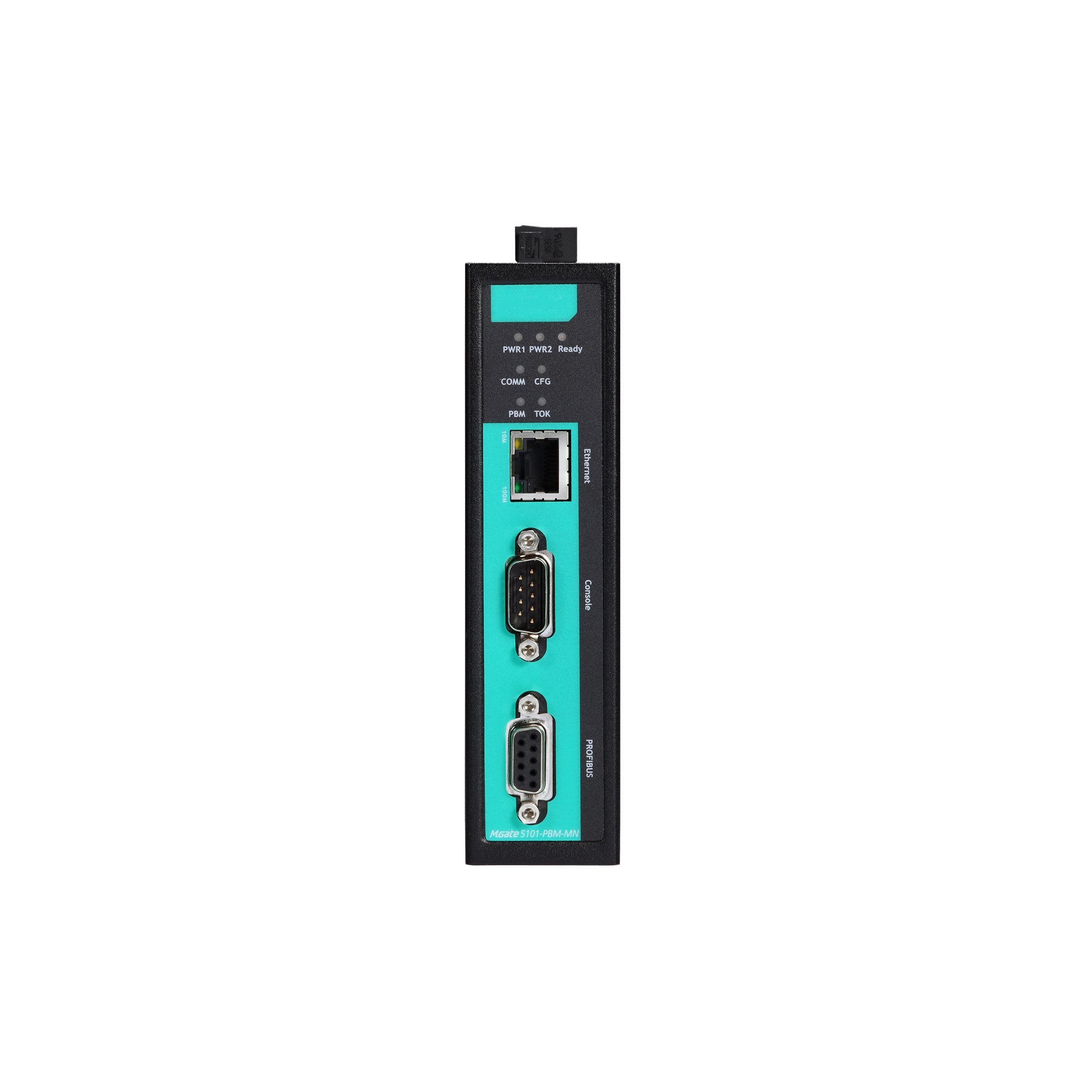
Traditional Solution Flaws
Why do failures always occur during crucial operations? One primary reason is the limitations of traditional solutions. Conventional systems often rely on wired connections, making installations cumbersome and vulnerable to physical damage. Moreover, as devices multiply, the complexity increases—leading to higher failure rates and maintenance costs. These challenges are amplified in environments requiring real-time data acquisition, where old methods fall short.
New Technology Principles
Look, it’s simpler than you think. The advent of the remote io module offers a fresh approach. By leveraging wireless communication and edge computing nodes, these modules simplify the integration process. They allow for extensive monitoring without the need for complex wiring. What’s more, they enhance real-time data processing and enable edge analytics, ensuring that insights are gleaned instantly and effortlessly.
Quantified User Benefits
How can this impact your business? Businesses utilizing the remote io module report improvements in efficiency and reductions in downtime. Specifically, companies have noted up to 30% less maintenance time and significant savings in installation costs. This level of adaptability makes integrating new devices a breeze, ensuring that users can scale operations without the usual headaches that come with older systems.
Conclusion: Actionable Evaluation Criteria
Always verify these 3 metrics when choosing solutions: ① Compatibility with existing systems ② Scalability for future growth ③ Real-time data analytics capabilities. In a packed marketplace, having a sharp focus on these criteria will guide you towards making well-informed decisions, ensuring you select a solution that best fits your operational needs.
The Advantages of a Remote IO Module
Looking at your automation framework, the remote io module serves as a key component. These modules not only facilitate seamless communication among devices but also embody the principles of flexibility and efficiency. They reduce the clutter of wiring, thereby minimizing installation barriers and potential downtime. Implementing these modules can streamline processes across various industries—from manufacturing to smart cities—enabling more responsive and adaptive operations.
Enhancing Workflow with a Wireless Data Acquisition Module
When considering solutions for data acquisition, the wireless data acquisition module stands out. With its ability to wirelessly transmit data in real-time, it ensures that critical information is always just a click away. Imagine being able to monitor systems remotely, eliminating the need for on-site inspections. This technology empowers businesses to respond promptly to operational changes, ultimately fostering a proactive approach to management and maintenance.
Summing it up, efficiency and streamlined communication are crucial in today’s tech-driven landscape. Companies can greatly benefit from implementing remote io solutions, particularly the innovative offerings from DECOWELL. With their dedication to high-quality and reliable products, DECOWELL stands out as a manufacturer with supply advantages, making them a prime choice for any organization looking to enhance their automation processes.
