The essentials of Interior design and Decoration: Crafting a Harmonious Space
Interior design and decoration are powerful tools that shape the atmosphere of any space. They are an art form that combines aesthetics with functionality to create environments that are not only beautiful but also comfortable and practical. Whether designing a residential home or a commercial office, the choic 裝修設計 es made in terms of color, furniture, layout, and decor will ultimately define the mood and utility of the space. A well-thought-out interior design can transform a mundane room into an inviting haven, offering a balance between style and everyday use.
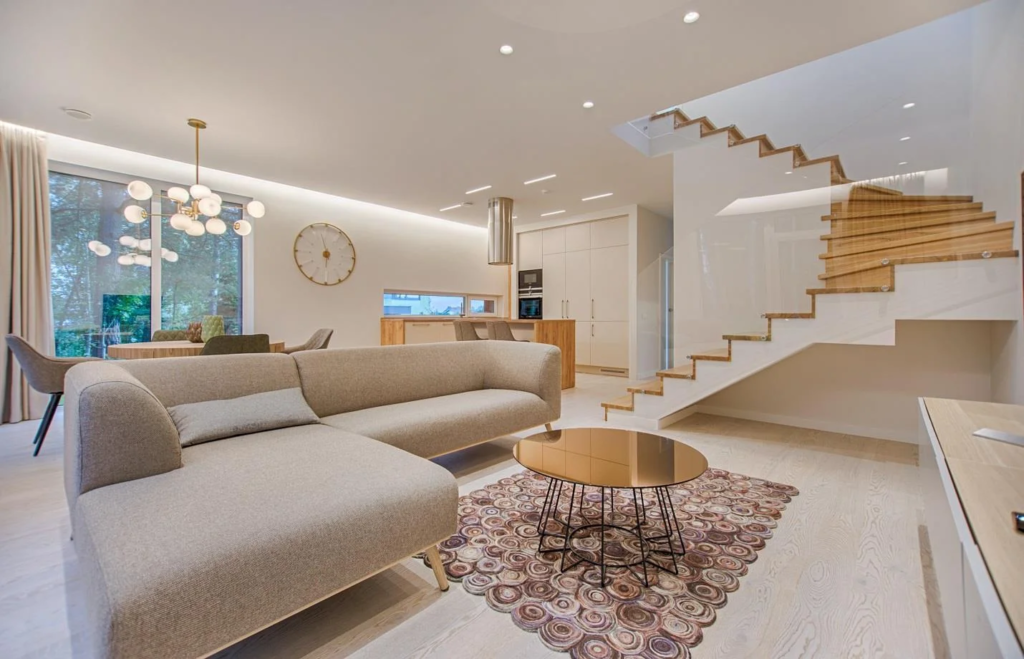
The first step in any interior design process is selecting a color palette. Colors have a profound impact on the ambiance of a room and can influence the emotions of those who spend time there. Soft tones like whites, grays, and pastels create a peaceful and spacious feeling, making them ideal for bedrooms or bathrooms. In contrast, bolder colors such as dark greens, deep blues, or rich oranges can energize a living room or dining area. It’s important to choose shades that not only complement each other but also suit the function of the space. For example, calming colors are perfect for areas intended for relaxation, while vibrant hues can stimulate creativity and conversation in social spaces.
Furniture selection and arrangement are crucial in defining the flow and functionality of a room. The layout of furniture determines how a space is used, so careful consideration is necessary to ensure both comfort and practicality. Larger rooms may benefit from the strategic use of furniture to create distinct areas for different activities, such as lounging, reading, or dining. For smaller spaces, opting for multi-purpose furniture, such as foldable tables or storage ottomans, can maximize functionality without sacrificing style. Furniture should be arranged to encourage natural movement and interaction, and pieces should be proportional to the room size to avoid overcrowding or underutilization of space.
Textures and materials add depth and warmth to a space, enhancing both the visual and tactile experience. A mix of different textures, such as smooth glass, soft fabrics, and rough wood, creates a dynamic contrast that prevents a room from feeling monotonous. Natural materials like wood, stone, and metal bring an organic element to interior design, while plush textiles like velvet, linen, and cotton offer comfort and luxury. When choosing materials, it’s essential to consider both the aesthetic goals of the space and the practical needs. For example, durable materials like leather or hardwood are perfect for high-traffic areas, while delicate fabrics such as silk may be better suited for accent pieces or decorative cushions.
Lighting plays a pivotal role in enhancing the design of any space. The right lighting not only illuminates the room but also sets the mood and highlights key design elements. Layering various types of lighting—ambient, task, and accent—ensures that the room is well-lit and that different areas are properly highlighted. Ambient lighting provides overall illumination, task lighting focuses on specific areas like workspaces or kitchens, and accent lighting adds drama by highlighting art pieces, plants, or architectural features. Dimmer switches or adjustable fixtures allow for flexibility in controlling the atmosphere, whether you want bright, energizing light during the day or soft, relaxing lighting in the evening.
Finally, accessories and decorative items breathe life into a room and make it feel personal. Thoughtfully chosen accessories, such as artwork, rugs, pillows, and plants, not only add color and texture but also reflect the personality of the occupants. A carefully curated selection of decor pieces can unify the room’s design theme while adding unique character. When selecting accessories, it’s important to strike a balance; too many items can create visual clutter, while too few can make a room feel empty or uninspired. A few well-placed pieces that complement the overall design will elevate the room and complete the look.
In conclusion, interior design and decoration are about more than just choosing pretty items to fill a room. They involve a deliberate and thoughtful approach to color, layout, furniture, materials, lighting, and accessories. By understanding how these elements work together, you can create a space that is both functional and aesthetically pleasing. The ultimate goal is to craft an environment that supports the needs of its users while also reflecting their unique style and personality. With careful planning and a bit of creativity, any space can be transformed into a harmonious and inviting sanctuary.
