How to Choose the Right Wood Flooring for Your Home
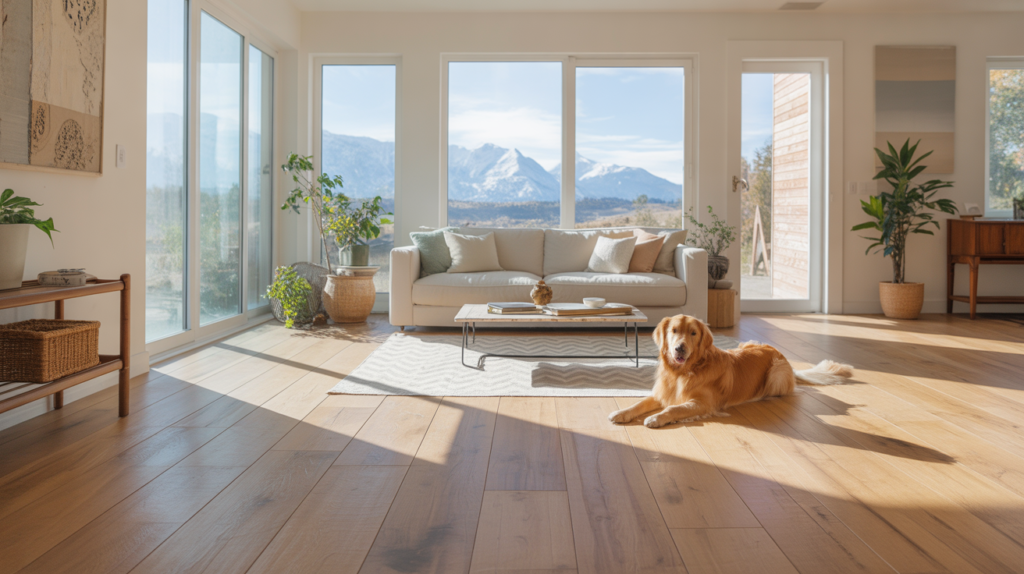
Picking wood flooring can feel tough with so many choices out there. You want something that fits your space and lasts. Whether you draw from classic looks like tongue and groove flooring Memphis homes often show, or fresh ideas, start here. This guide covers basics plus tips for Denver’s dry air.
Know the Types of Wood Flooring
Two main kinds stand out: solid and engineered. Solid comes from one piece of wood. It feels real underfoot and can get sanded many times. But it reacts to moisture and might gap in dry spots.
Engineered uses layers with a real wood top. It stays stable in changing weather. That’s key for places like Denver with low humidity. Studies show it resists warping better than solid wood.
Plus, engineered works over concrete or radiant heat. Solid needs wood subfloors. If your home has a basement, engineered might suit you.
Select Species and Hardness Level
Species matter for strength and appearance. Use the Janka scale to check hardness. It measures the force to dent wood. Higher numbers mean tougher floors.
Oak scores around 1290 to 1360. It’s common and holds up well. Maple hits 1450, great for kitchens. Hickory tops at 1820, ideal for pets or kids. Walnut sits at 1010, softer but rich in color.
Cherry offers 950, pretty but dents more easily. Pick based on your needs. Busy homes need high Janka ratings.
Think About Style, Color, and Finish
Style sets the room’s vibe. Wide planks look modern and open up spaces. Narrow ones feel traditional.
Colors range from light to dark. Light woods hide dust but show scratches. Dark ones mask marks but highlight dirt. In 2025, warm browns and honey tones lead. They create cozy feelings.
Finishes protect the wood. Matte hides wear better than gloss. Oil finishes soak in for a natural look. Polyurethane seals strongly against spills.
For Denver, pick finishes that handle dry air. Low-VOC options keep indoor air clean.
Plan for Installation and Room Fit
Installation affects cost and ease. Nail down for solid wood over plywood. Glue for concrete. Floating clicks together fast.
Rooms guide choices. Kitchens need water-resistant engineered materials. Bedrooms can take solid. Basements? Stick to engineered.
In Denver, low humidity causes shrinking. Acclimate wood for days before installation. Use humidifiers in winter. Visit a flooring showroom Denver has many of to see samples in person.
Also, check for radiant heat compatibility. Engineered often works best.
Common pitfalls? Don’t skip subfloor checks. Wrong prep leads to squeaks. Ignore pets and pick soft wood, you’ll see dents fast.
Go for Green Options and Fresh Trends
Earth-friendly choices grow popular. FSC-certified wood comes from managed forests. It protects nature.
Reclaimed wood reuses old timber. Bamboo grows quickly, no trees are cut. Cork renews fast from bark.
In 2025, natural textures rule. Chevron patterns add flair. Waterproof cores help in baths.
For Denver, sustainable picks like engineered bamboo suit the climate. They stay stable and green.
