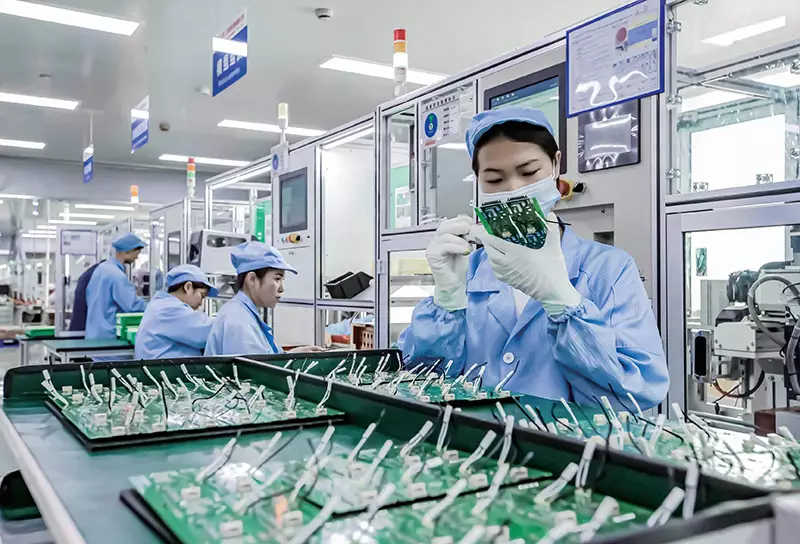
How does Lithium Ion Battery Manufacturing Work?
lithium ion battery manufacturing is a complex process that involves several steps to produce high-performance batteries used in various applications. In this article, we will explore the key aspects of lithium ion battery manufacturing and discuss its significance in promoting sustainable energy solutions.
The Process of Lithium Ion Battery Manufacturing
The first step in lithium ion battery manufacturing is electrode preparation. This involves coating thin layers of active materials, such as lithium cobalt oxide or graphite, onto metal foils. These coated foils are then cut into smaller pieces called electrodes.
Next, the electrodes are assembled with separators and soaked in an electrolyte solution. The separator acts as a barrier between the positive and negative electrodes to prevent short circuits while allowing ions to pass through during charging and discharging.
The assembled electrodes are then sealed together with a casing to form individual cells. Multiple cells are connected in series or parallel configurations to create larger battery packs with higher voltage or capacity.
After assembly, the batteries undergo rigorous testing for performance and safety standards. This includes measuring their capacity, voltage stability, cycle life, and thermal characteristics under different operating conditions.
Sunpower New Energy: Advancing Lithium Ion Battery Technology
Sunpower New Energy is at the forefront of advancing lithium ion battery technology through innovative research and development efforts. They have developed novel electrode materials that enhance energy density while maintaining excellent cycling stability.
In addition, Sunpower New Energy has implemented advanced manufacturing techniques like roll-to-roll processing for large-scale production of high-quality batteries at lower costs. Their commitment to sustainability drives them towards developing more efficient recycling methods for end-of-life batteries.
LFP Battery: A Promising Alternative
A specific type of lithium ion battery gaining attention is the Lithium Iron Phosphate (LFP) battery. LFP batteries offer several advantages, including improved safety, longer cycle life, and better thermal stability compared to traditional lithium cobalt oxide batteries.
Click lfp battery.Furthermore, LFP batteries are more environmentally friendly as they do not contain toxic materials like cobalt or nickel. This makes them a promising choice for electric vehicles and renewable energy storage systems.
Conclusion
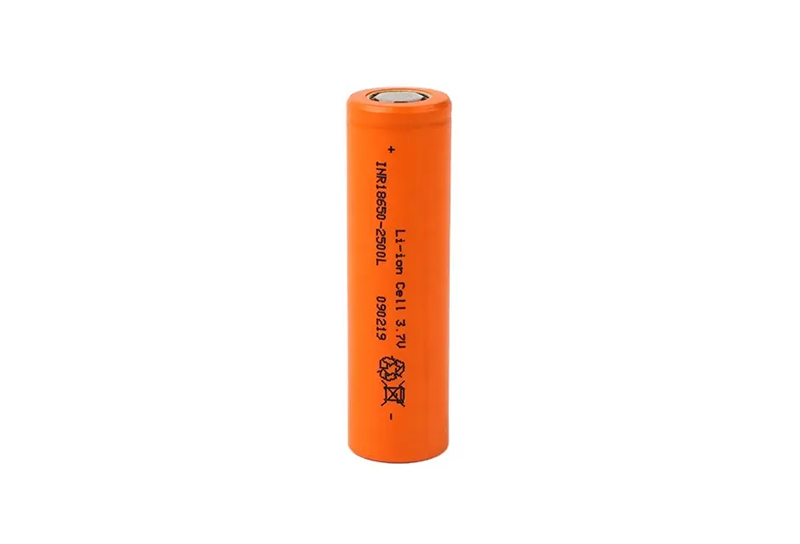
Lithium ion battery manufacturing plays a crucial role in advancing sustainable energy solutions. Through continuous research and development efforts by companies like Sunpower New Energy, we can expect further improvements in battery performance and cost-effectiveness.
The emergence of alternative options such as LFP batteries also provides exciting prospects for safer and greener energy storage technologies. As demand for clean energy continues to grow, the progress in lithium ion battery manufacturing will contribute significantly to achieving a more sustainable future.