Comparing Open vs. Closed Reagent Systems in In-Vitro Diagnostics
The choice between open and closed reagent systems has significant implications for laboratories engaged in in-vitro diagnostics (IVD). This decision impacts not only the operational efficiency of hematology analyzers but also affects overall diagnostic accuracy, costs, and flexibility.
Understanding Open Reagent Systems
Open reagent systems offer laboratories the flexibility to use various third-party reagents, potentially reducing costs and allowing access to a wider range of testing options. This flexibility can be particularly beneficial for settings with diverse testing needs. However, the downside often includes variability in quality and performance across different reagents. As a result, labs must invest time in validating every new reagent to ensure compatibility with their hematology analyzer.
Exploring Closed Reagent Systems
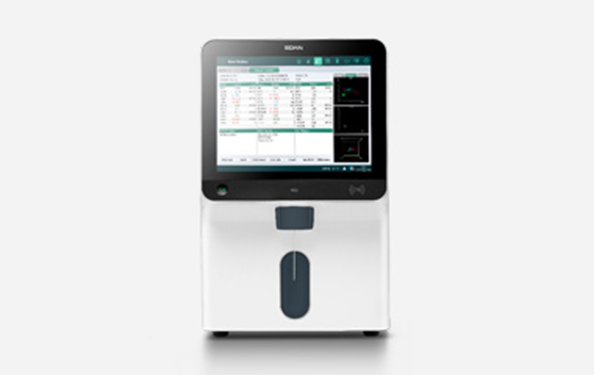
Closed reagent systems, on the other hand, are designed to work seamlessly with the specific analyzers they are paired with, ensuring optimal performance and reducing variability. Such systems typically deliver consistent results due to their controlled environments. For instance, the EDAN H80 5-Part Hematology Analyzer utilizes tri-angle laser technology, which provides an all-round reflection of cell information from three different angle scatters. This advanced feature enhances the reliability of test results within a closed system, making it an attractive option for labs prioritizing diagnostic accuracy.
Cost Considerations and Performance
While open systems may offer lower upfront costs, utilizing a closed reagent system can minimize unexpected expenses related to errors and re-testing. The long-term benefits, including improved reliability and efficiency, can lead to lower operational costs in IVD labs.
Optimize Your Laboratory with EDAN Solutions
For laboratories evaluating their options, EDAN’s H80 5-Part Hematology Analyzer represents a closed reagent system that effectively balances accuracy and efficiency. By leveraging advanced technologies and reliable reagents, this analyzer supports labs in achieving high standards in in-vitro diagnostics, ultimately enhancing patient care.
