The Craft of Jersey Design: Blending Function, Style, and Identity
Jersey design has come a long way from its humble beginnings as a basic piece of athletic apparel. Today, jerseys serve as an essential part of both professional sports and streetwear culture. With the advancement of technology, materials, and design techniques, the jersey has evolved into a unique garment that com 足球隊波衫 bines performance, style, and personal expression. The art of designing a jersey goes beyond aesthetics—it is a careful balance of functionality, comfort, and the ability to connect the wearer with a larger community or identity.
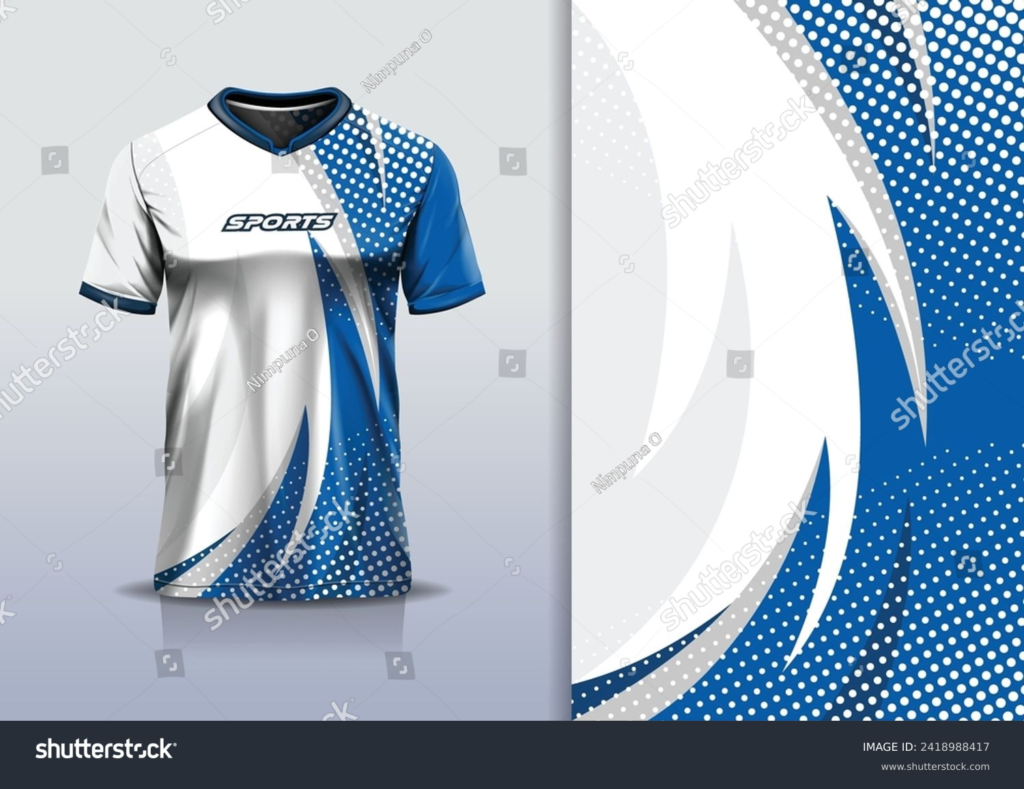
The materials used in jersey design are paramount in ensuring the garment fulfills its intended purpose. Initially, jerseys were crafted from simple fabrics such as wool or cotton, which provided comfort but lacked breathability and flexibility. Modern sports jerseys, however, are typically made from high-performance materials like polyester, spandex, and mesh. These fabrics are lightweight, moisture-wicking, and breathable, which allows athletes to perform at their highest level while staying cool and dry. The choice of material also impacts the durability of the jersey, ensuring that it can withstand the physical demands of the sport.
Design elements such as color, logos, and typography are equally critical in making a jersey stand out. Each color used on a jersey carries symbolic meaning, often reflecting the team’s values or the wearer’s personality. For example, red is commonly used to convey energy and power, while blue might symbolize trust and loyalty. Logos and team emblems are often placed in prominent positions on the jersey, becoming a symbol of unity and pride. Typography is another key aspect, as the choice of font for player names and numbers can make a bold statement. The overall design must balance visual appeal with clarity, ensuring that each element complements the others.
In addition to the aesthetic and functional components, customization has become an essential aspect of modern jersey design. The ability to add personal touches—whether through the inclusion of a player’s name, a team’s slogan, or unique graphics—has increased the popularity of jerseys beyond the sporting world. Customization allows for a deeper connection between the wearer and the jersey, making it a personal item that reflects the individual’s preferences or allegiances. With the advancement of digital printing and sublimation technologies, designers can now create intricate, colorful designs that are both durable and visually striking, allowing for a high degree of personalization.
As jersey design continues to evolve, it has transcended its original purpose and become a statement of culture. Athletes, fans, and even fashion enthusiasts proudly wear jerseys as part of their daily attire. This cultural shift has been driven in part by the rise of streetwear, where sports jerseys are often incorporated into casual, urban outfits. Celebrities, musicians, and influencers have also played a role in popularizing jerseys as a fashion trend, leading to an increased demand for stylish, high-quality designs. The fusion of fashion and function has transformed the jersey into a versatile garment, one that can be worn in a variety of contexts while still representing a team, community, or individual identity.
In conclusion, jersey design is a dynamic and multifaceted field that requires careful consideration of functionality, aesthetics, and personal expression. Whether used in sports, fashion, or as a form of self-expression, jerseys hold significant meaning for both the wearer and the community they represent. The evolution of jersey materials, designs, and customization options reflects the changing needs and desires of consumers, making the jersey an enduring symbol of identity and style. As technology continues to improve, we can expect jersey design to continue to innovate, blending tradition with modern advancements to create even more unique and impactful garments.
