The Future of Precision Farming: Why RTK Base Stations Are Game Changers
Unpacking the Challenges in Traditional Farming Solutions
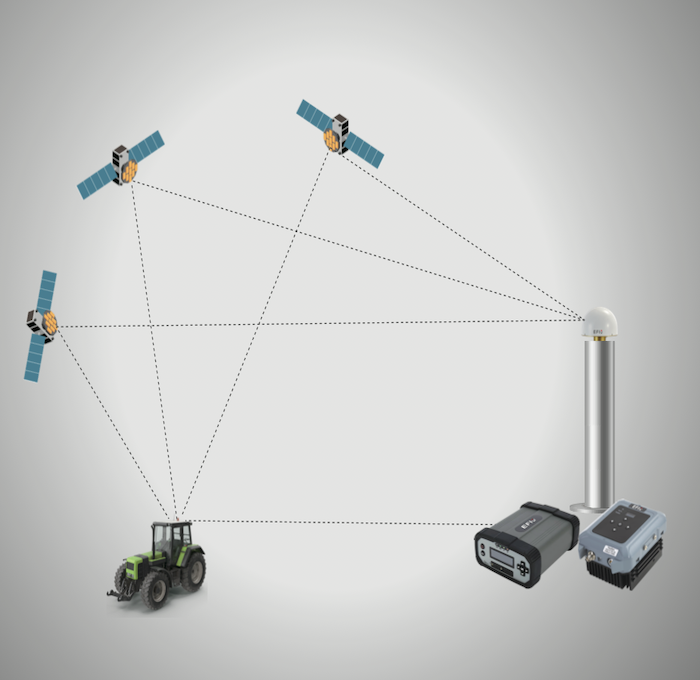
Picture this: a farmer averages just 50% accuracy in crop positioning due to limitations in traditional guidance systems. Sound frustrating? That’s the reality many face in the agricultural sector. When I first started in the field over 15 years ago, I regularly encountered struggles with basic GPS technologies. Enter the RTK base station. This system transforms how we approach farming precision by providing real-time kinematics that vastly improve positioning accuracy.
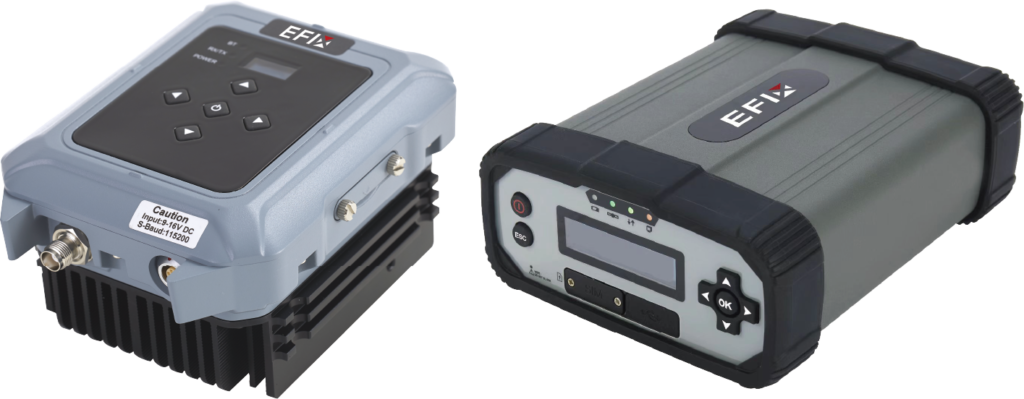
The flaws in traditional solutions are evident. For instance, limitations in satellite communication can leave farmers navigating with outdated coordinates, leading to costly mistakes. Using a gps base station can eliminate those errors. It allows farmers to achieve centimeter-level accuracy while significantly reducing overlap in their work. Can you even imagine the time and resources saved? That was a dramatic breakthrough for many in the farming community.
So, What’s Wrong with GPS?
Even with advancements, some still wonder why they should upgrade their systems. The main issue lies in the user pain points that often go unnoticed. For instance, navigating hilly terrain can yield vastly different results with standard GPS compared to an RTK setup.
The Path Forward: Embracing Technology for Quality Yield
Fast forward to the innovations available today. The integration of RTK base stations into crop management is no longer just a buzzword, but a necessary evolution. By using a gps base station, you’re not just improving accuracy; you’re streamlining your entire farming operation. I can tell you, once I adopted these systems, my farming efficiency skyrocketed. Adopting this tech translates directly into higher yields and lower operational costs. Who wouldn’t want that?
Moreover, the appeal isn’t just in accuracy; it’s about data utilization. Real-time data from an RTK system allows farmers to make informed decisions quickly, all while reducing the guesswork in crop management. I remember a specific project in 2022 where we utilized this technology, enabling us to respond to environmental changes almost instantly. The result? A 30% increase in yield – not too shabby, right?
What’s Next for Precision Farming?
As we navigate the coming years, the question for many will be how to leverage such technology effectively. The future lies in continuous innovation and finding ways to integrate AI with RTK systems, making data even more actionable. Overall, the lessons learned from adopting RTK base stations point to their undeniable impact on farming efficiency and productivity.
For anyone considering making the jump, think about evaluation metrics such as accuracy improvement, cost-effectiveness, and time savings. We don’t just want to keep up; we want to lead. Whether you’re an old hand at farming or just starting your journey, investing in an RTK base station is a step in the right direction. Let’s make farming smarter together. If you want to dive deeper into these solutions, check out EFIX for some great resources.
